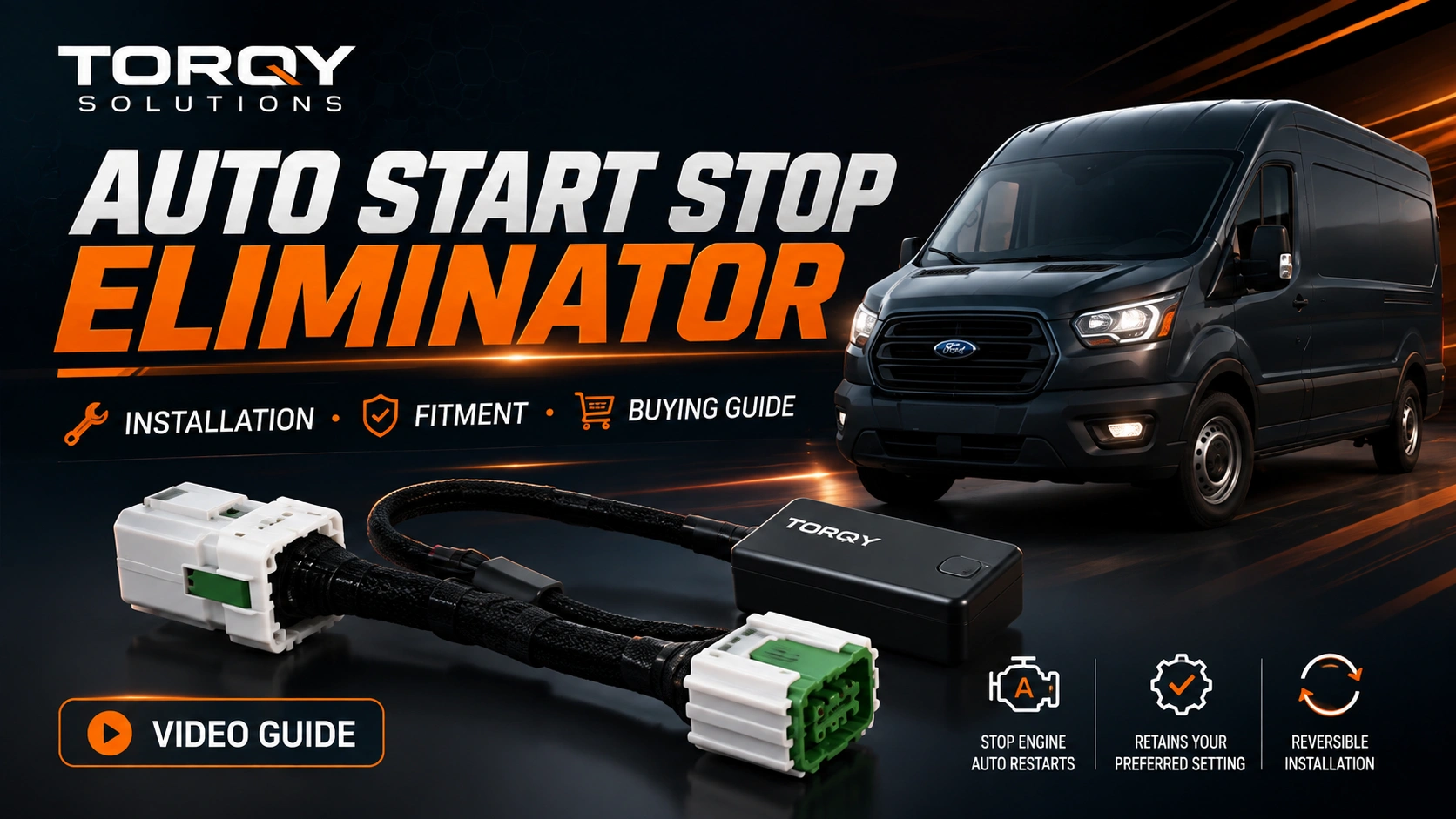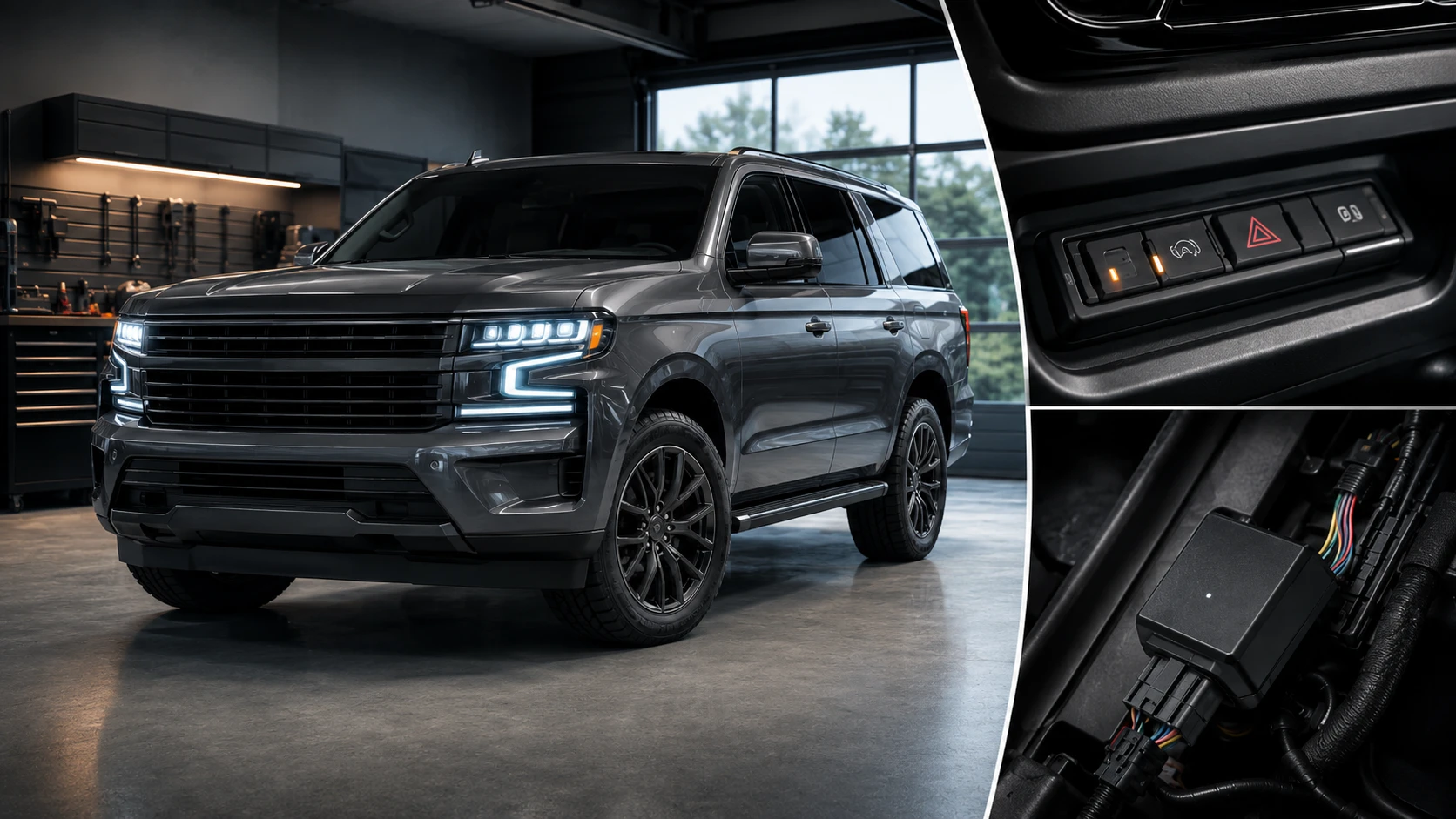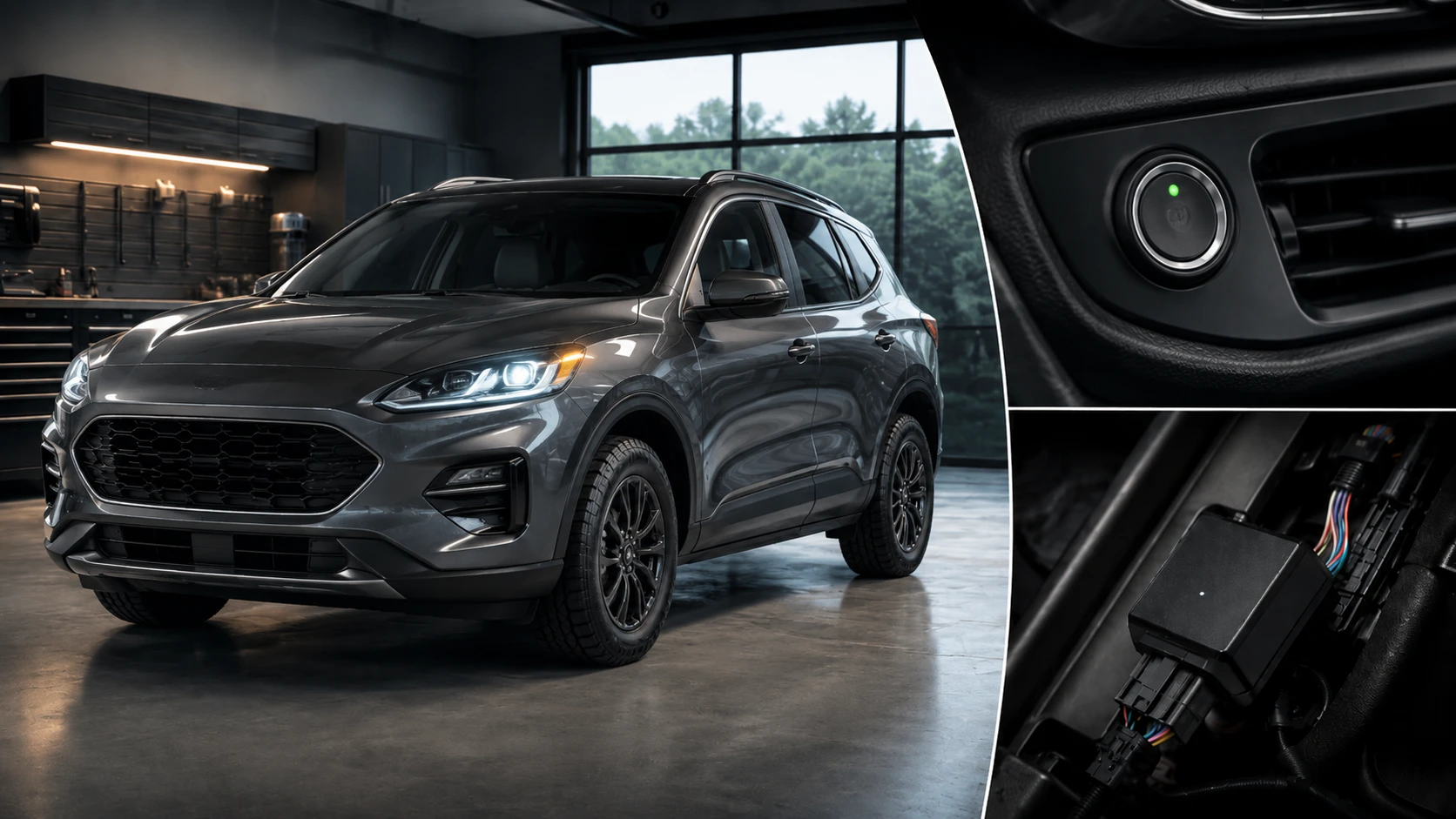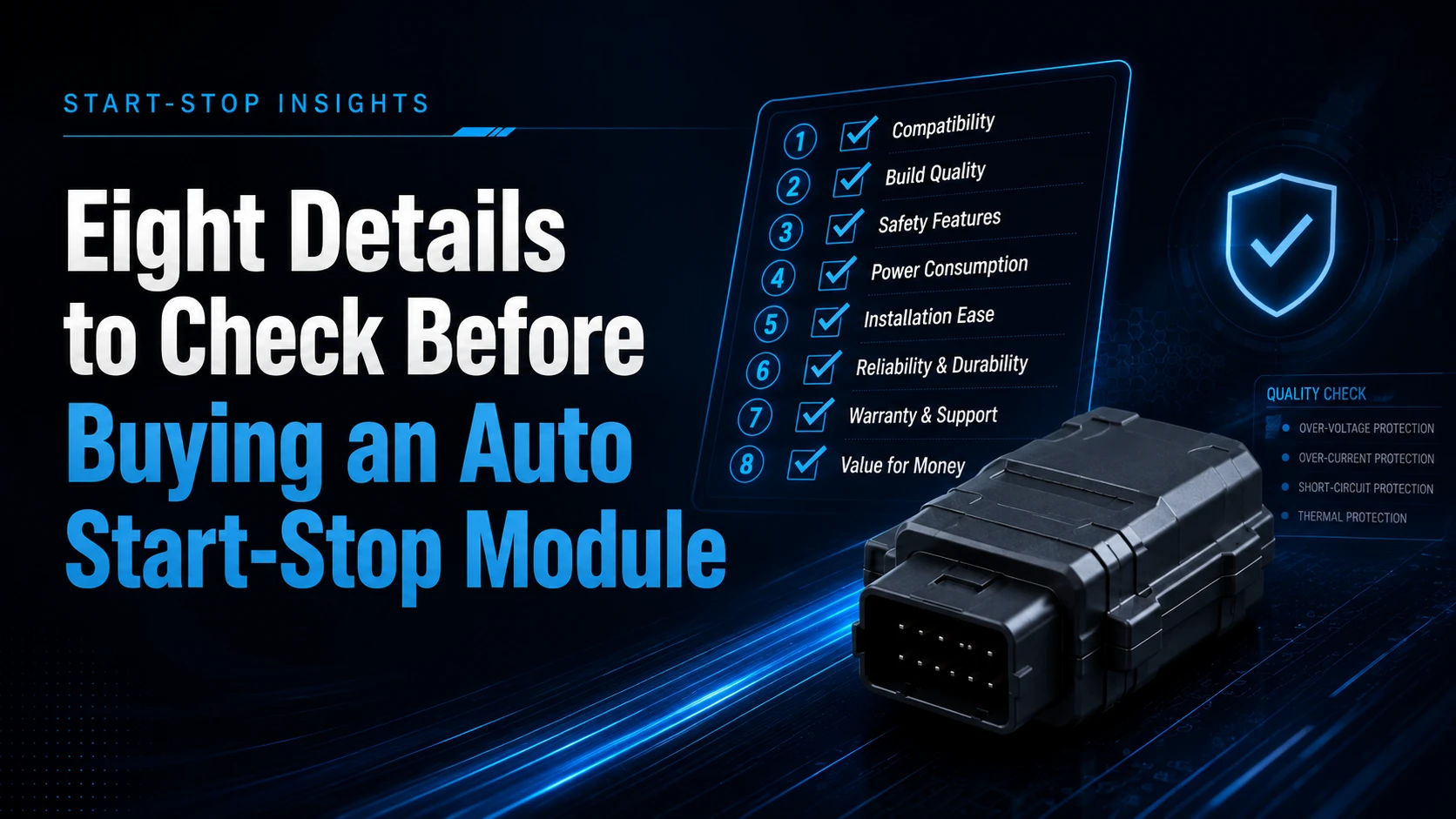
A Vehicle Name Is Not Enough
Customers often assume that every vehicle with the same model name uses the same electronic components.
This is incorrect.
A vehicle manufacturer may change:
- Switch-panel design;
- Connector shape;
- Pin assignments;
- Communication protocol;
- Dashboard layout;
- Control-module software;
- Gateway architecture;
- Start-stop logic.
These changes may occur without a major exterior redesign.
Model Year Changes
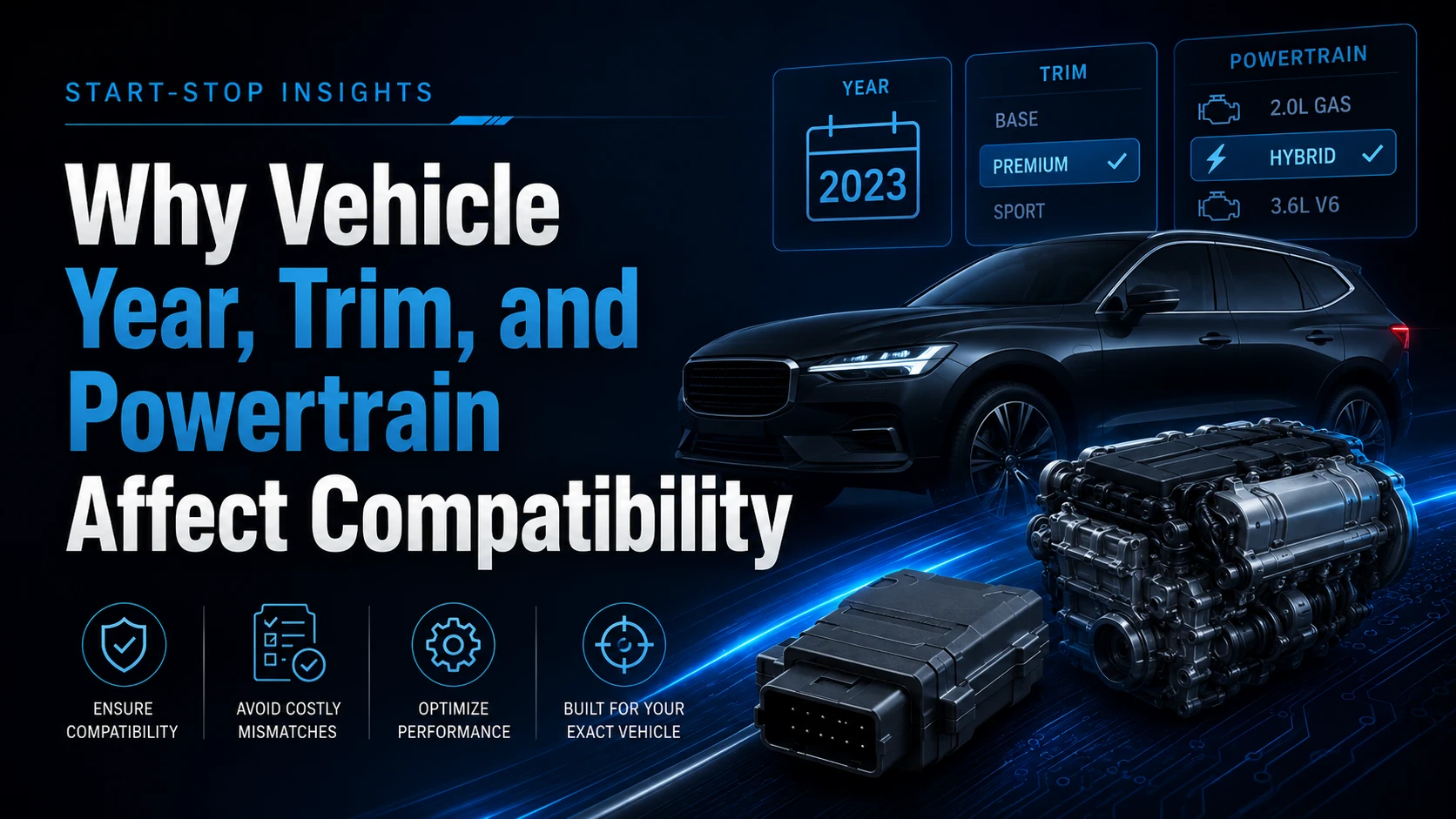
A product compatible with a 2022 vehicle may not work with the 2024 version.
Manufacturers frequently update electronic systems during:
- Mid-cycle refreshes;
- Platform changes;
- Interior redesigns;
- Software revisions;
- Supply-chain component changes.
A connector may look identical while using different internal wiring.
Trim-Level Differences
Different trim levels may include different:
- Switch panels;
- Drive-mode controls;
- Parking systems;
- Climate controls;
- Electronic features;
- Dashboard layouts.
A premium trim may use a different control panel from the base model.
The module must match the actual installed hardware, not only the vehicle name.
Engine and Powertrain Differences
Gasoline, diesel, hybrid, and plug-in hybrid versions may use different start-stop systems.
Hybrid vehicles may stop and restart the engine as part of a larger electric-drive control strategy.
A product designed for a conventional gasoline start-stop system should not automatically be used in a hybrid vehicle.
Always verify:
- Engine type;
- Hybrid status;
- Transmission;
- Drivetrain;
- Performance version;
- Emissions configuration.
Regional Differences
Vehicles sold in different markets may have different:
- Safety requirements;
- Emissions systems;
- Steering position;
- Dashboard layout;
- Connector arrangement;
- Software configuration;
- Available features.
A product designed for a North American vehicle may not fit the European, Australian, Middle Eastern, or Asian version of the same model.
Production Date Can Matter
A model-year label does not always identify the exact vehicle configuration.
Vehicles produced early or late in a model year may use different components.
Some product listings therefore specify:
- Before a certain production date;
- After a certain production date;
- First-generation or second-generation interior;
- Old-style or new-style switch panel.
The production date is normally found on the vehicle identification label.
Best Information for Compatibility Verification
When requesting fitment confirmation, provide:
- Vehicle make;
- Model;
- Model year;
- Production date;
- Trim level;
- Engine;
- Powertrain;
- Country of sale;
- Left-hand-drive or right-hand-drive configuration;
- Photo of the factory button panel;
- Photo of the connector when available.
Accurate fitment information prevents incorrect orders and installation problems.