Plug-and-Play Does Not Mean Universal
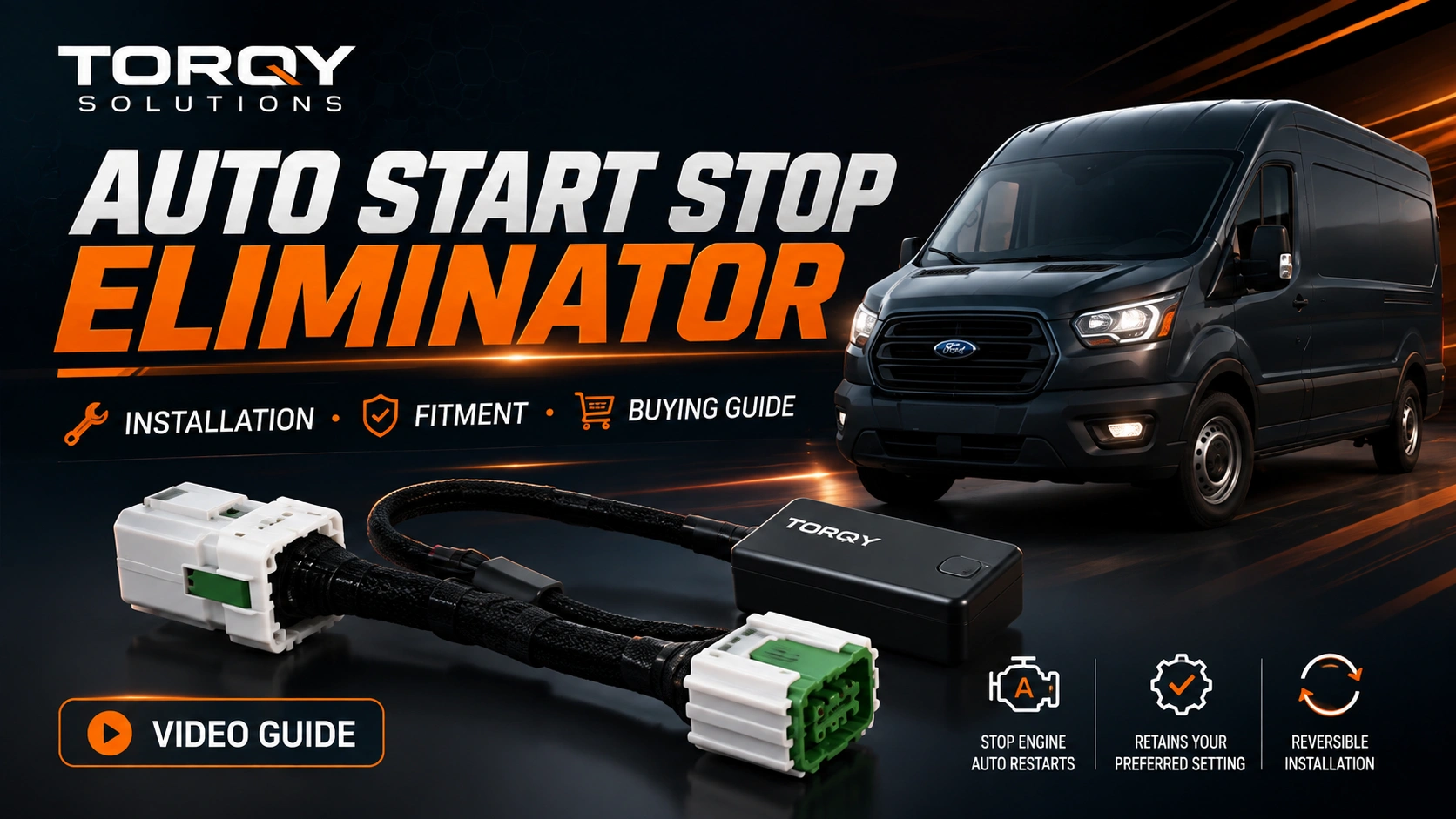
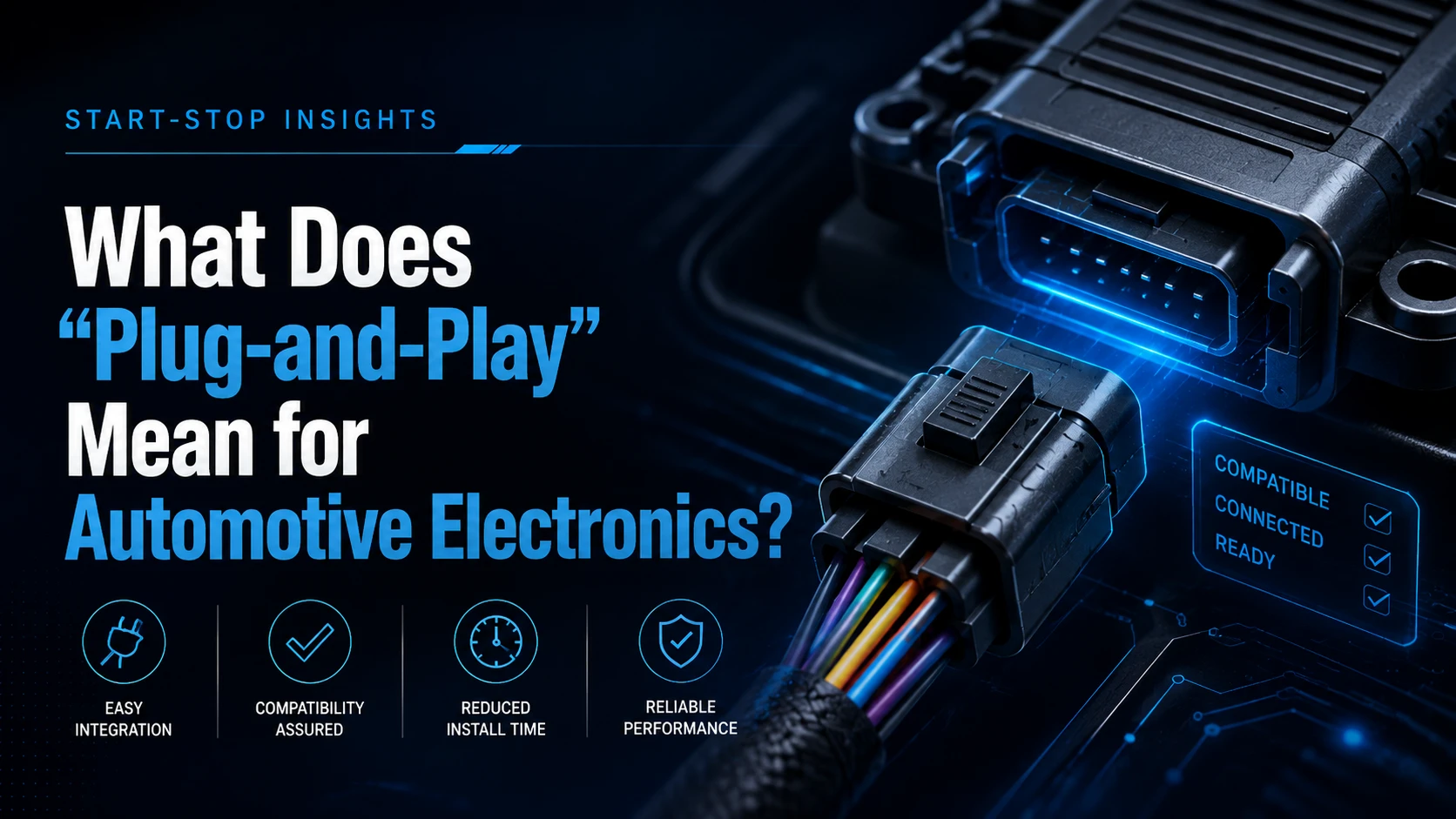
In automotive electronics, “plug-and-play” generally means that a product connects to existing factory connectors without requiring permanent wire cutting.
It does not mean the product is compatible with every vehicle.
A true plug-and-play product should still be designed for a specific:
- Vehicle platform;
- Model;
- Model year;
- Powertrain;
- Connector;
- Electronic control system.
Typical Plug-and-Play Installation
A plug-and-play module may be installed between:
- A factory switch and its wiring connector;
- A center-console panel and the original harness;
- A gateway module and vehicle connector;
- A dashboard switch assembly and factory socket.
The product normally includes matching male and female connectors.
This allows the original wiring to remain intact.
Main Advantages
A properly designed plug-and-play product offers several advantages.
No Wire Cutting
The installer does not need to cut, splice, solder, or strip factory wires.
Reversible Installation
The product can normally be removed, and the original factory connector can be restored.
Faster Installation
Vehicle-specific connectors reduce installation time compared with custom wiring.
Lower Risk of Wiring Errors
Matching connectors reduce the chance of incorrect polarity, poor splices, or loose temporary connections.
Cleaner Appearance
The module is usually hidden behind an existing panel.
Plug-and-Play Still Requires Correct Installation
A product can still be installed incorrectly even when it uses factory-style connectors.
Common mistakes include:
- Connecting to the wrong similar-looking socket;
- Failing to lock the connector;
- Pinching the harness behind a panel;
- Pulling the connector by the wires;
- Routing wiring near moving parts;
- Installing an incompatible model;
- Working while the vehicle electronics are active.
Installation instructions must still be followed.
What a Quality Plug-and-Play Product Should Include
A professional product should provide:
- Exact compatibility information;
- Clear connector photos;
- Installation-location images;
- Step-by-step instructions;
- Product identification;
- Technical support;
- Troubleshooting guidance;
- Clear exclusions.
A product described only as “universal plug-and-play” should be evaluated carefully.
Does Plug-and-Play Mean No Tools Are Required?
Not necessarily.
The electrical connection may not require modification, but removing interior trim may require:
- Plastic trim tools;
- Screwdrivers;
- Sockets;
- Protective tape;
- A flashlight.
“Plug-and-play” describes the electrical connection, not the entire physical installation process.
How to Confirm a Genuine Plug-and-Play Design
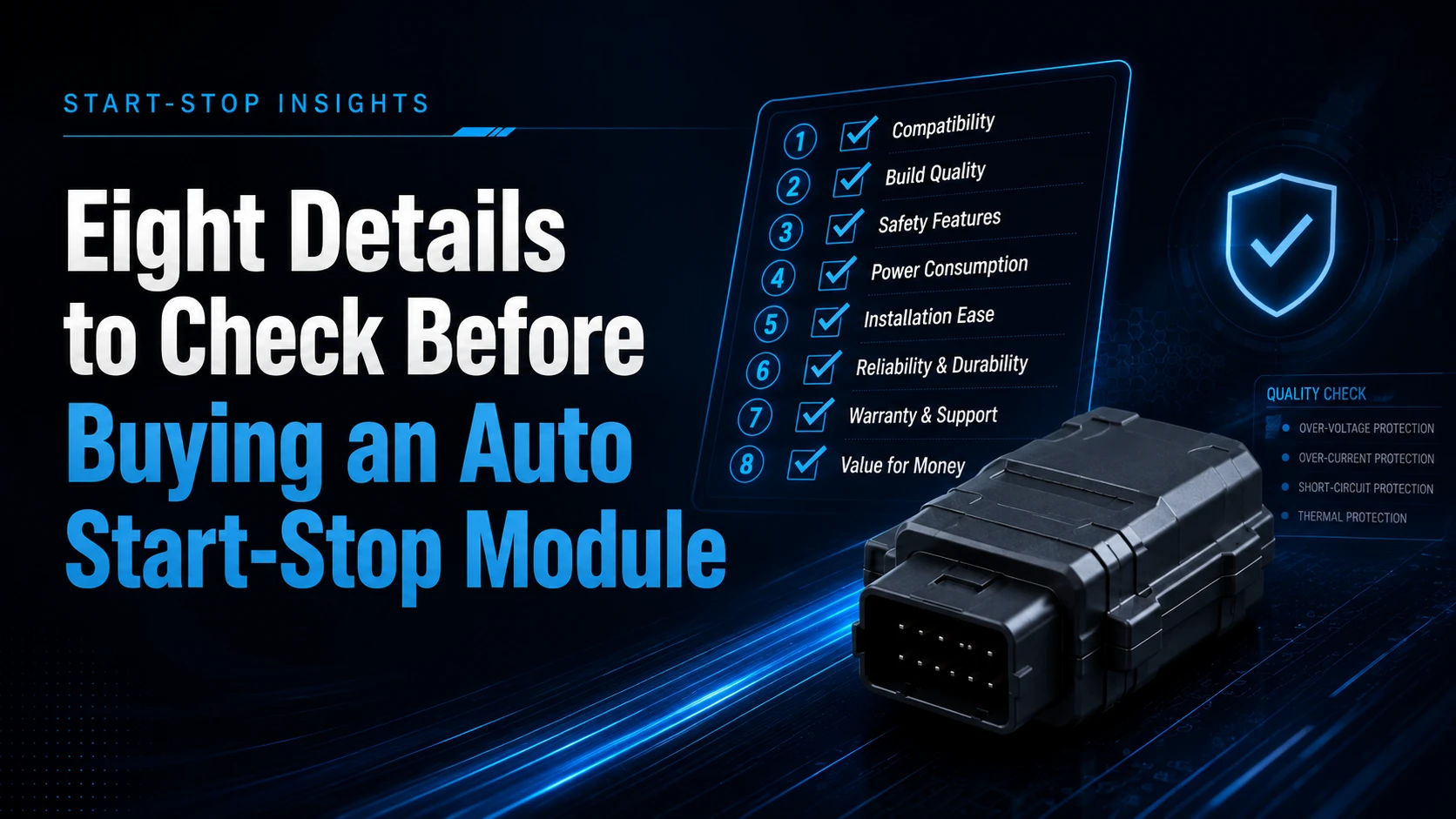
Before purchasing, check whether the product:
- Uses matching factory-style connectors;
- Requires no wire cutting;
- Requires no soldering;
- Can be removed without vehicle modification;
- Is listed for the exact vehicle;
- Preserves the original button function.
These details are more important than the phrase “plug-and-play” alone.